Social First Media Relations In Entertainment
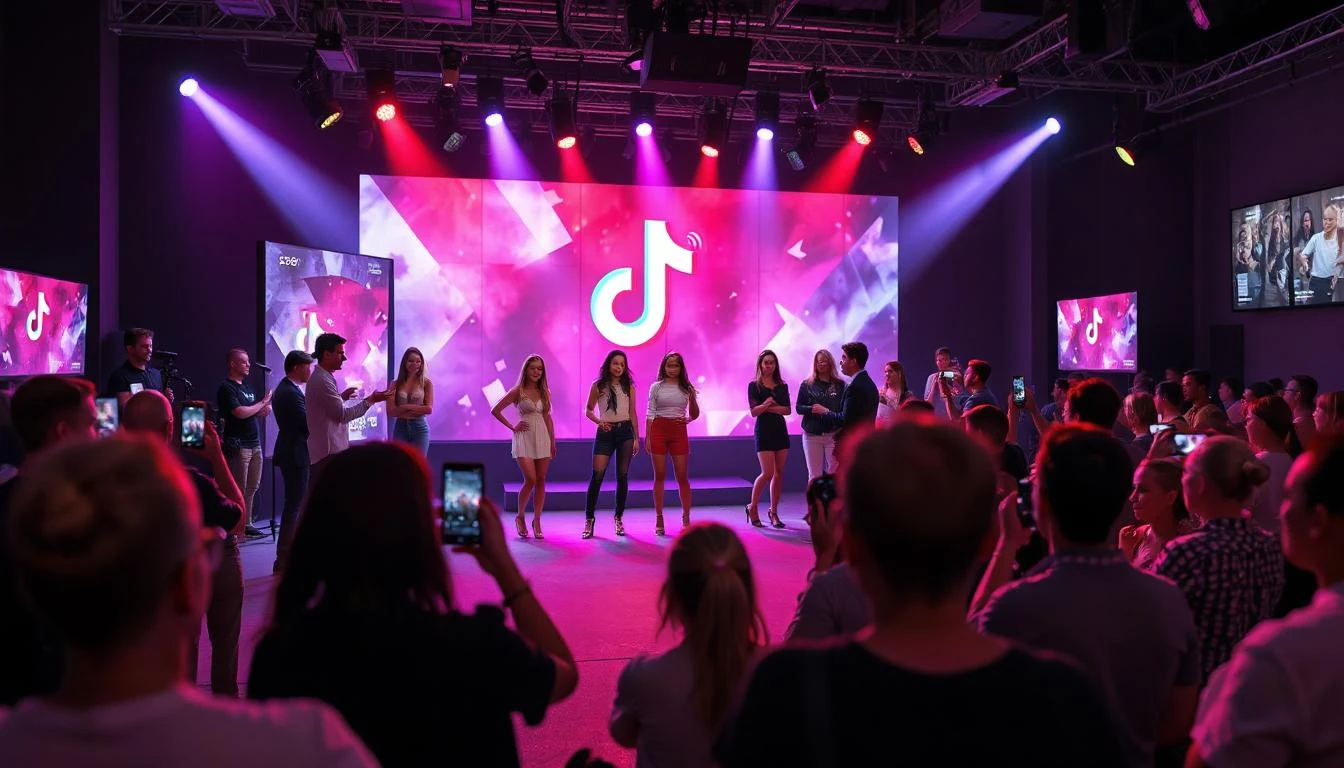
Entertainment media is changing rapidly, and audiences now discover trends directly from social platforms before traditional media covers them. Movies, music releases, celebrity news, and viral moments spread within minutes, creating a more interactive and fast-moving entertainment landscape.
Today, entertainment brands depend heavily on social media engagement tactics to build stronger audience connections and remain visible online. Audiences also expect more authentic communication, personalized interaction, and real-time engagement from creators and entertainment companies.
Social First Approaches in Entertainment Media
Social platforms have become the main center of entertainment communication because audiences spend more time engaging with digital content than traditional media. Entertainment companies now focus on creating faster, more interactive campaigns to stay relevant in online conversations.
Current entertainment audience communication trends show that audiences prefer creators who feel approachable and active within their communities. “Participatory culture has transformed the relationship between media and audiences,” said Henry Jenkins, explaining how engagement now matters more than one-way promotion.
Real time audience engagement strategies
Real-time interaction helps entertainment brands keep audiences emotionally connected during events and campaigns. Livestreams, polls, hashtag trends, and instant updates increase participation while content is still trending. These strategies also improve audience retention across multiple social platforms.
Building fan communities through social platforms
Fan communities have become essential for maintaining long-term audience loyalty in entertainment media. Platforms like TikTok and Instagram allow creators to interact directly with followers through exclusive content and behind-the-scenes updates. This approach strengthens emotional connections and encourages organic engagement.
Personalized communication for digital audiences
Personalized communication helps entertainment brands deliver more relevant experiences to audiences. Streaming services and entertainment agencies now use audience behavior data to recommend content based on individual preferences. “People do not buy goods and services, they buy relations, stories, and magic,” said Seth Godin, highlighting the importance of emotional storytelling.
Media Relations Evolving Through Social Platforms
Entertainment media relations are no longer dependent only on television interviews or traditional press coverage. Social platforms now allow creators, celebrities, and studios to communicate directly with audiences in real time.
This shift has also created more opportunities for digital creators and influencers to shape public attention. Entertainment brands now focus on relatable communication styles that feel more authentic to online audiences.
Influencer partnerships replacing traditional outreach
Influencer collaborations are becoming more effective than traditional advertising for many entertainment campaigns. Audiences often trust creators who already have loyal communities and strong engagement rates. This strategy helps entertainment brands appear more relatable and culturally relevant.
Viral content increasing entertainment visibility
Viral content plays a major role in expanding entertainment visibility across digital platforms. Short videos, memes, and trending challenges can quickly push movies, music, or celebrities into global conversations. Entertainment companies now create campaigns designed specifically for shareability and audience interaction.
Online reputation management for public figures
Public figures face constant online attention, making reputation management increasingly important in entertainment media. PR teams monitor audience sentiment closely and respond quickly to misinformation or controversy. Strong communication strategies help maintain credibility and public trust.
Technology Driving Entertainment Communication
Technology continues transforming how entertainment campaigns are planned, distributed, and measured across digital platforms. Artificial intelligence, analytics, and social monitoring tools now help brands understand audience behavior more accurately.
Even with advanced technology, audiences still value authentic and emotionally engaging communication. Entertainment brands that combine technology with relatable storytelling often achieve stronger audience loyalty.
Analytics tools measuring audience interaction
Analytics tools help entertainment companies track engagement, audience retention, and online behavior in real time. These insights allow brands to improve campaigns based on audience response and trending interests. Data-driven strategies also help predict future entertainment trends more effectively.
AI generated content supporting campaigns
AI tools are increasingly used to support entertainment marketing through automated captions, trend analysis, and content recommendations. These technologies help brands produce content faster while maintaining consistent online activity. However, audiences still respond better to campaigns that feel genuine and human.
Multi platform storytelling for stronger reach
Entertainment campaigns now expand across multiple platforms to increase audience reach and engagement. A single campaign may include videos on YouTube, discussions on Reddit, and short-form content on TikTok. This strategy creates a more immersive experience for digital audiences.
Strengthen Your Entertainment Media Presence Today
Entertainment communication is becoming more interactive, fast-paced, and audience-focused than ever before. Brands that prioritize authenticity, engagement, and emotional storytelling continue standing out in highly competitive digital spaces.
The future of entertainment media belongs to creators and companies that understand how audiences interact online every day. Start building stronger digital communication strategies now and create more meaningful audience connections.